
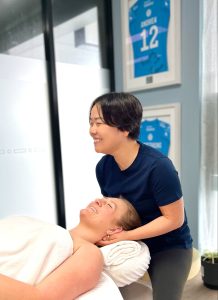
Are you looking for an osteopath for your pregnancy and postpartum care? We can help!
Pregnancy places incredible physical, hormonal and emotional demands on the body. As your baby grows, your posture, breathing patterns, centre of gravity, pelvic mechanics and muscular loading patterns all begin to change. While these changes are completely normal, they can also contribute to discomfort, fatigue and increased strain throughout the body.
Many women experience symptoms such as lower back pain, pelvic discomfort, rib pain, sciatica, neck tension, headaches, wrist pain or feelings of instability during pregnancy. Others may simply feel like their body is working harder than usual and want support maintaining movement, comfort and confidence throughout pregnancy and recovery.
Osteopathic care during pregnancy aims to support the body holistically through these changes. Rather than focusing only on the painful area itself, osteopaths assess how the musculoskeletal system, nervous system, lifestyle factors, movement habits, stress, sleep, nutrition and recovery patterns may all be contributing to symptoms and overall wellbeing.
Understanding the Changes During Pregnancy
Pregnancy involves significant hormonal, biomechanical and circulatory changes throughout the body. Hormones such as relaxin help prepare the body for birth by increasing ligament laxity and joint mobility, particularly around the pelvis. While important for childbirth, these changes may also contribute to feelings of instability, altered movement patterns and muscular tension.
As pregnancy progresses, many women notice:
· Lower back or pelvic pain
· Sciatica-like symptoms
· Hip discomfort
· Rib or mid-back pain
· Neck and shoulder tension
· Headaches
· Carpal tunnel symptoms
· Pelvic girdle pain
· Fatigue and muscular tightness
· Difficulty sleeping comfortably
· Changes in balance and posture
Research suggests that pregnancy-related musculoskeletal pain is extremely common, particularly involving the lower back and pelvis. Changes in load distribution, abdominal muscle function, breathing mechanics and pelvic stability may all contribute.
Emotional stress, sleep disruption, workplace demands and reduced physical activity can also influence how symptoms are experienced during pregnancy.
How Osteopathy May Help During Pregnancy
If you’re searching for an osteopath for pregnancy care in the Northern Rivers, osteopathic treatment aims to support both physical comfort and whole-body function throughout pregnancy.
At Global Performance Therapy, assessment may involve:
· Postural and movement assessment
· Pelvic and spinal mobility evaluation
· Assessment of hip, rib and breathing mechanics
· Discussion of exercise, workload and recovery
· Screening for pelvic girdle or sciatic-type symptoms
· Assessment of muscular tension and movement control
· Discussion of stress, sleep and lifestyle factors
· Screening for signs requiring medical review or collaborative care
This process helps your osteopath understand how your body is adapting during pregnancy and what factors may be contributing to discomfort or movement limitations.
Management may include:
· Hands-on osteopathic treatment
· Soft tissue and myofascial therapy
· Massage for muscular tension and discomfort
· Gentle pelvic, spinal and rib mobilisation
· Pregnancy-safe stretching and mobility exercises
· Breathing and relaxation strategies
· Exercise prescription and movement guidance
· Education around postural support, sleep positions and pacing
· Supportive rehabilitation strategies during pregnancy
Treatment is always modified to suit your stage of pregnancy, comfort levels and individual presentation.
Many women seek osteopathic care not only for pain management, but also for support in maintaining mobility, exercise tolerance, confidence and general wellbeing throughout pregnancy.
Holistic Support & Nutritional Considerations
Pregnancy care is not simply about “fixing pain.” A holistic osteopathic approach considers the broader factors influencing health during pregnancy and postpartum recovery.
At our clinic, this may involve discussions around:
· Activity pacing and recovery
· Sleep positioning and comfort strategies
· Breathing and stress management
· Movement confidence and gentle exercise
· Workstation or lifting modifications
· Hydration and general nutrition support
· Referral pathways where additional support is appropriate
· Postpartum recovery preparation
While osteopaths do not replace your GP, obstetrician, midwife or dietitian, we often work collaboratively alongside your healthcare team to support overall wellbeing during pregnancy.
Nutrition can also play an important role in recovery, energy levels, tissue health and overall maternal wellbeing. General discussions around maintaining adequate hydration, balanced nutrient intake, recovery habits and energy management may form part of broader supportive care where appropriate.
Postpartum Osteopathic Care
Birth and early motherhood place enormous physical demands on the body. Feeding, carrying, lifting, poor sleep, recovery from labour or caesarean delivery, and prolonged postures can all contribute to ongoing discomfort after pregnancy.
Many women experience:
· Lower back and pelvic pain
· Neck and shoulder tension from feeding or carrying
· Mid-back pain
· Wrist pain or carpal tunnel symptoms
· Headaches
· Abdominal weakness or reduced core control
· Pelvic floor dysfunction
· Postural strain and fatigue
Postpartum osteopathic care aims to support recovery and rehabilitation following childbirth.
Management may include:
· Hands-on treatment for postural strain
· Soft tissue massage and mobilisation
· Core and pelvic rehabilitation guidance
· Breathing and pelvic floor awareness strategies
· Scar management following caesarean delivery where appropriate
· Exercise rehabilitation and return-to-activity support
· Education around lifting, feeding and carrying positions
· Movement and recovery strategies for new mothers
Rather than focusing only on pain itself, postpartum care often aims to support confidence, movement capacity and recovery during the transition into motherhood.
Our Osteopaths
Our experienced osteopaths, Dr Olivia Westbrook and Dr Akiko Nobuhara, take a holistic and supportive approach to pregnancy and postpartum care.
They understand that pregnancy affects far more than just the lower back or pelvis. Sleep, stress, work demands, movement habits, nervous system sensitivity, hormonal changes and emotional wellbeing may all influence how symptoms present and how recovery occurs.
Based on your presentation, they integrate hands-on treatment, rehabilitation exercises, education and self-management strategies tailored to your stage of pregnancy or postpartum recovery.
When necessary, they may also recommend collaborative care with your GP, obstetrician, midwife, women’s health physiotherapist or other healthcare providers.
The goal is to support comfort, confidence, movement and overall wellbeing throughout pregnancy and beyond.
When to Seek Further Care
While pregnancy-related discomfort is common, some symptoms may require further medical assessment.
This may include:
· Sudden or severe swelling
· Persistent headaches or visual changes
· Bleeding or fluid loss
· Severe abdominal pain
· Reduced fetal movement
· Shortness of breath or chest pain
· Progressive neurological symptoms
· Symptoms worsening rapidly or unexpectedly
Our clinic works collaboratively with local GPs and healthcare providers across Kingscliff, the Tweed Coast and the Northern Rivers when further investigation or shared care is appropriate.
Call to Book (02) 5613 6964 or click here
Pregnancy and postpartum recovery can place significant demands on the body physically, emotionally and mentally. Thoughtful, holistic care may help support comfort, movement, confidence and recovery during this important stage of life.
If you’re searching for an osteopath for pregnancy or postpartum care in the Northern Rivers, our Kingscliff clinic supports patients across the Tweed Coast, Northern Rivers and southern Gold Coast.


